

This analysis focuses exclusively on the United States market. All prices are in USD. Data sourced from Kelley Blue Book (KBB), CarEdge, iSeeCars, and CarGurus as of early 2026.
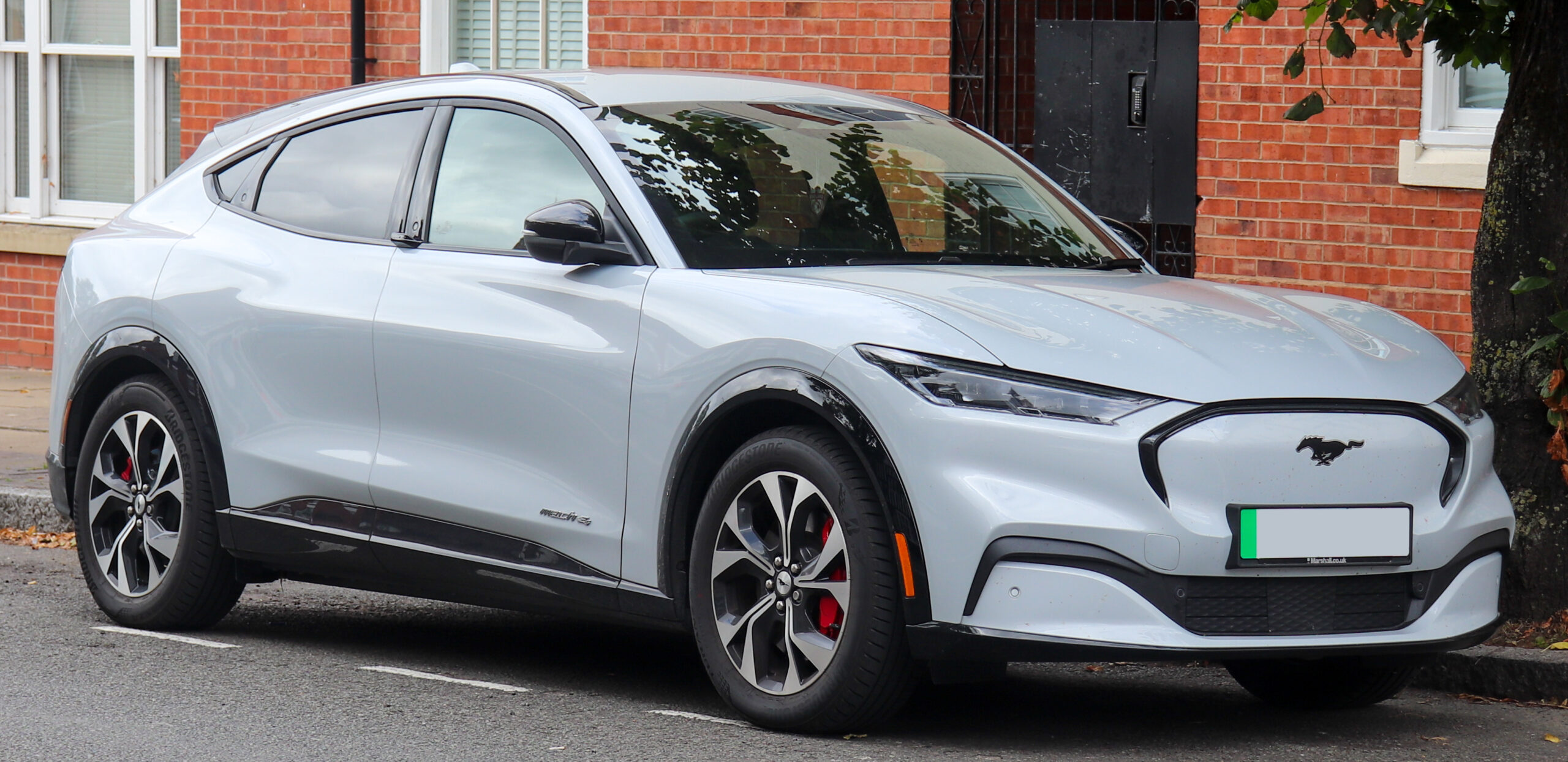
When Ford launched the Mustang Mach-E for the 2021 model year, it was a watershed moment for an American automaker steeped in internal combustion heritage. The Mach-E boldly wore the Mustang badge — a decision that sparked controversy but made undeniable commercial sense. Ford needed an electric SUV that could compete head-on with the Tesla Model Y, and the Mach-E was their answer.
More than four years on, with 2021 models now well into their used-car life, we have enough real-world data to deliver a definitive verdict on one of the most important questions for any Mach-E owner or prospective buyer: how badly does the Mustang Mach-E depreciate, and how does it compare to its key rivals?
The short answer: the Mach-E has struggled. But the full picture — shaped by Ford’s own price cuts, the EV tax credit rollercoaster, and a fiercely competitive market — tells a more nuanced story that every buyer needs to understand.
The Mach-E in the US Market: America’s Challenger EV
The Mustang Mach-E entered the US market in late 2020 as a 2021 model, competing directly in the growing electric compact SUV segment. Ford positioned it against the Tesla Model Y, with pricing starting at $42,895 for the base Select RWD model and climbing to over $60,000 for the GT Performance Edition.
For this analysis, we focus on the Mustang Mach-E Premium AWD Extended Range — the most popular configuration sold in the US, with an original MSRP of approximately $52,000–$55,000 depending on model year. It offers around 270 miles of EPA-rated range and represents the sweet spot of the lineup.
The Mach-E was a genuine hit at launch. Ford sold over 27,000 units in 2021, and the model peaked at nearly 40,000 US sales in 2023. It became the second-best-selling EV in America behind Tesla during much of this period. That popularity, however, didn’t insulate it from the forces that have battered EV resale values across the board.
The Hard Numbers: What Is a Used Mach-E Worth Today?
Using data from KBB, CarEdge, and iSeeCars — the primary US valuation authorities — combined with live marketplace data from CarGurus, here is the current depreciation picture for the Mustang Mach-E Premium AWD.
Table 1: Depreciation by Model Year (as of early 2026)
| Model Year | Age | Original MSRP (USD) | Avg. Used Price (USD) | Depreciation ($) | Depreciation (%) | Retained Value (%) |
|---|---|---|---|---|---|---|
| 2021 | ~4–5 years | $42,895 | ~$20,000 | ~$22,895 | ~53% | ~47% |
| 2022 | ~3–4 years | $43,895 | ~$22,500 | ~$21,395 | ~49% | ~51% |
| 2023 | ~2–3 years | $46,900 | ~$25,000 | ~$21,900 | ~47% | ~53% |
| 2024 | ~1–2 years | $42,995 | ~$30,000 | ~$12,995 | ~30% | ~70% |
Chart 1: MSRP vs. Current Used Price by Model Year
The chart tells a stark story. The 2021 model has shed roughly half its original value in four to five years — a loss of over $22,000 on a vehicle that cost under $43,000 new. Even the 2023 model, only two to three years old, has already depreciated by nearly 47%.
The Depreciation Curve: Year-by-Year Analysis
CarEdge’s modelling (based on an assumed selling price of $46,840) provides the most granular year-by-year view of how the Mach-E loses value. iSeeCars, drawing on over 15 million vehicle transactions, corroborates with longer-horizon data: 60.9% depreciation over five years, leaving a resale value of approximately $14,769–$19,900 depending on trim and mileage.
Table 2: Ford Mustang Mach-E — Year-by-Year Depreciation Schedule
| Age (Years) | Residual Value (%) | Resale Value (USD) | Cumulative Depreciation (%) |
|---|---|---|---|
| 1 | 62.7% | $29,400 | 37.3% |
| 2 | 58.3% | $27,300 | 41.7% |
| 3 | 48.9% | $22,900 | 51.1% |
| 4 | 47.0% | $22,000 | 53.0% |
| 5 | 42.6% | $19,900 | 57.4% |
Chart 2: Ford Mustang Mach-E Value Retention Over 5 Years
The steepest decline happens between new and year one — a $17,400 drop, or 37% of original value, in the first 12 months. This “new car premium” evaporation is amplified by Ford’s own price reductions on new Mach-E models in 2023 and 2024. Year three to four shows a brief plateau before the decline resumes into year five.
Why Has the Mach-E Depreciated So Heavily?
The Mach-E’s steep depreciation isn’t a simple story of a bad product. MotorTrend ranked it above the Tesla Model Y, Hyundai Ioniq 5, and Kia EV6 in its most recent EV crossover comparison. The depreciation problem is structural, driven by four converging forces:
- Ford’s Own Price Cuts: In early 2023, Ford slashed Mach-E prices by $3,000–$8,000 across the lineup in response to Tesla’s aggressive reductions. When a new Mach-E suddenly costs thousands less, every used one instantly loses value to match. The 2024 MSRP was reset to $42,995 — significantly below 2023 — compressing used values further.
- The EV Tax Credit Disruption: The IRA’s $7,500 new EV credit creates a structural gap between new and used pricing. A buyer comparing a new Mach-E with a $7,500 credit to a used one needs the used car to be substantially cheaper — which drives down used prices.
- Rapid Technological Advancement: A 2021 Mach-E now competes against newer models with better range, faster charging, and updated software. Buyers increasingly factor in this technology obsolescence.
- Charging Network Uncertainty: Unlike Tesla owners with Supercharger access, Mach-E owners rely on CCS public charging. While improving with NACS adapter support, this still affects resale appeal for some buyers.

How Does the Mach-E Compare to Its US Rivals?
To understand where the Mach-E sits, it must be benchmarked against its direct US competitors: the Tesla Model Y, Kia EV6, and Volkswagen ID.4.
Table 3: Depreciation Comparison vs. Key US Rivals
| Model | 3-Year Depreciation | 5-Year Depreciation | 5-Year Residual Value (%) |
|---|---|---|---|
| Tesla Model Y | ~38% | ~52% | ~48% |
| Kia EV6 | ~35% | ~50% | ~50% |
| Ford Mustang Mach-E | ~43.9% | ~60.9% | ~39% |
| Volkswagen ID.4 | ~48% | ~63% | ~37% |
| Segment Average (Electric Compact SUV) | ~46.3% | ~61% | ~39% |
Chart 3: 5-Year Depreciation — Mach-E vs. Rivals
The Tesla Model Y retains roughly 9 percentage points more value over five years than the Mach-E. The Kia EV6 also outperforms it significantly. The Mach-E edges out only the VW ID.4 among its main rivals, and sits right at the segment average — not an outlier, but far from a standout.
The Silver Lining: What This Means for Buyers
Heavy depreciation is terrible news for sellers — but great news if you’re buying used. A 2022 Mustang Mach-E Premium AWD that cost $55,000+ new can be purchased today for around $22,000–$25,000. That’s a compelling proposition for a capable, well-equipped EV with 260+ miles of real-world range.
CarEdge identifies the 2024 model year as the best value buy, offering roughly 30% depreciation from new while retaining approximately 92% of its useful life. For buyers who want near-new quality at a meaningful discount without the oldest technology, the 2024 Mach-E is the sweet spot.
5-Year Forecast: Where Does the Mach-E Go From Here?
For current owners of a 2024 Mach-E (MSRP ~$43,000), here is our data-driven projection based on CarEdge’s depreciation model and broader market trends.
Table 4: 5-Year Forecast — 2024 Ford Mustang Mach-E Premium
| Year | Vehicle Age | Projected Residual Value (%) | Projected Value (USD) |
|---|---|---|---|
| 2026 | 2 years | ~70% | ~$30,100 |
| 2027 | 3 years | ~58% | ~$24,900 |
| 2028 | 4 years | ~51% | ~$21,900 |
| 2029 | 5 years | ~46% | ~$19,800 |
| 2030 | 6 years | ~40% | ~$17,200 |
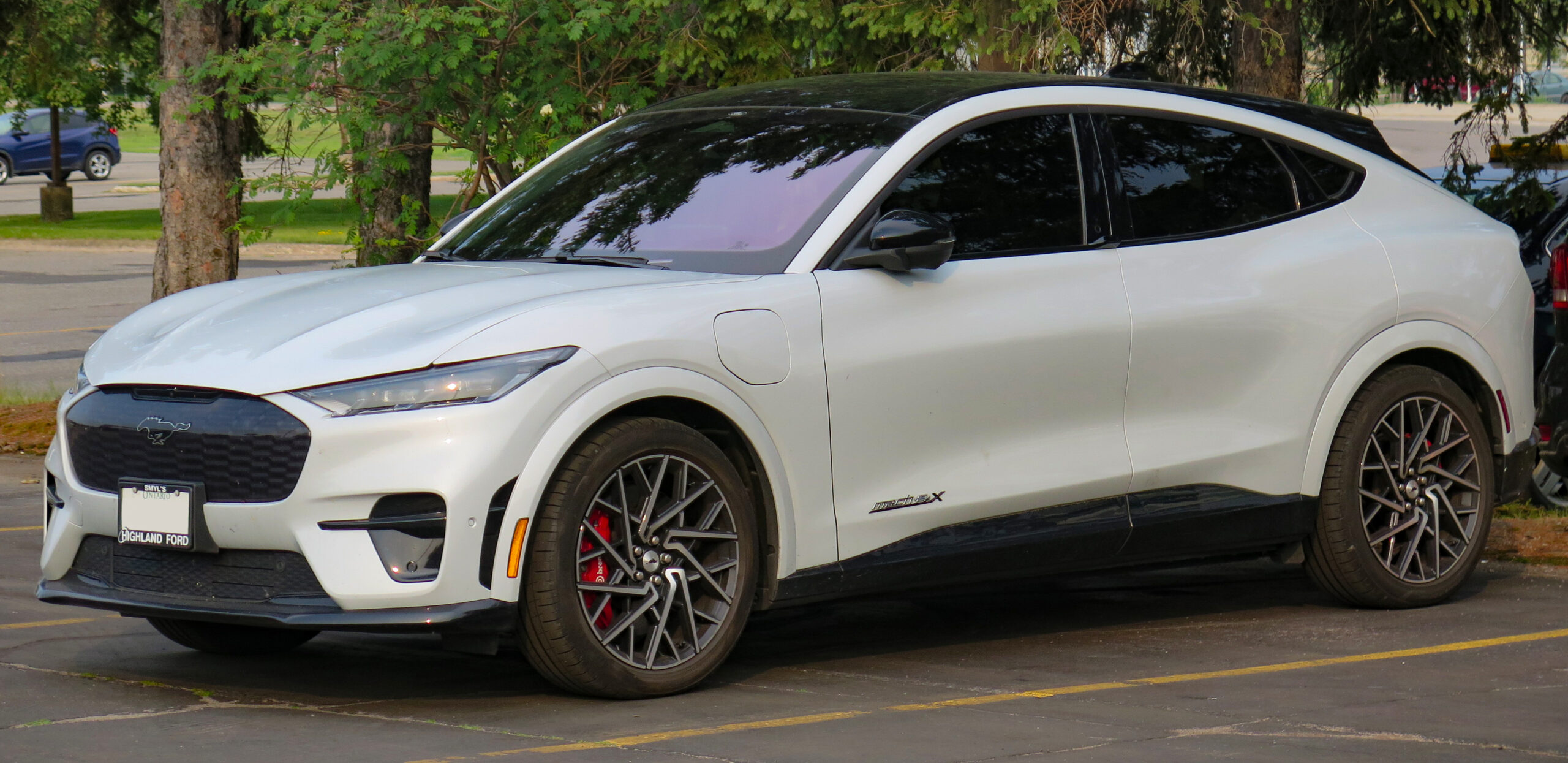
The Verdict: Should You Buy a Mach-E?
- Buying new: Viable if you plan to keep it 5+ years and can utilise the $7,500 federal tax credit. The depreciation hit is front-loaded and softens over time.
- Buying used (2024 model): Excellent value — near-new EV at ~30% off with minimal ownership risk.
- Buying used (2021–2022 model): Strong deal at the price, but factor in older technology and verify battery health before purchase.
- Short-term ownership (under 3 years): The numbers work against you. You’ll absorb the steepest depreciation curve with limited resale recovery.
The Mustang Mach-E’s depreciation story is ultimately one of a great car fighting difficult market conditions — Ford’s own pricing decisions, a shifting incentive landscape, and fierce competition from Tesla and Korean rivals. For buyers who understand the landscape and position themselves in the used market, it represents one of the most capable and value-rich EVs available in the United States today.
For more in-depth EV depreciation analysis across all major models and markets, explore our full database at EVDepreciation.com. Data is updated regularly as market conditions evolve.